
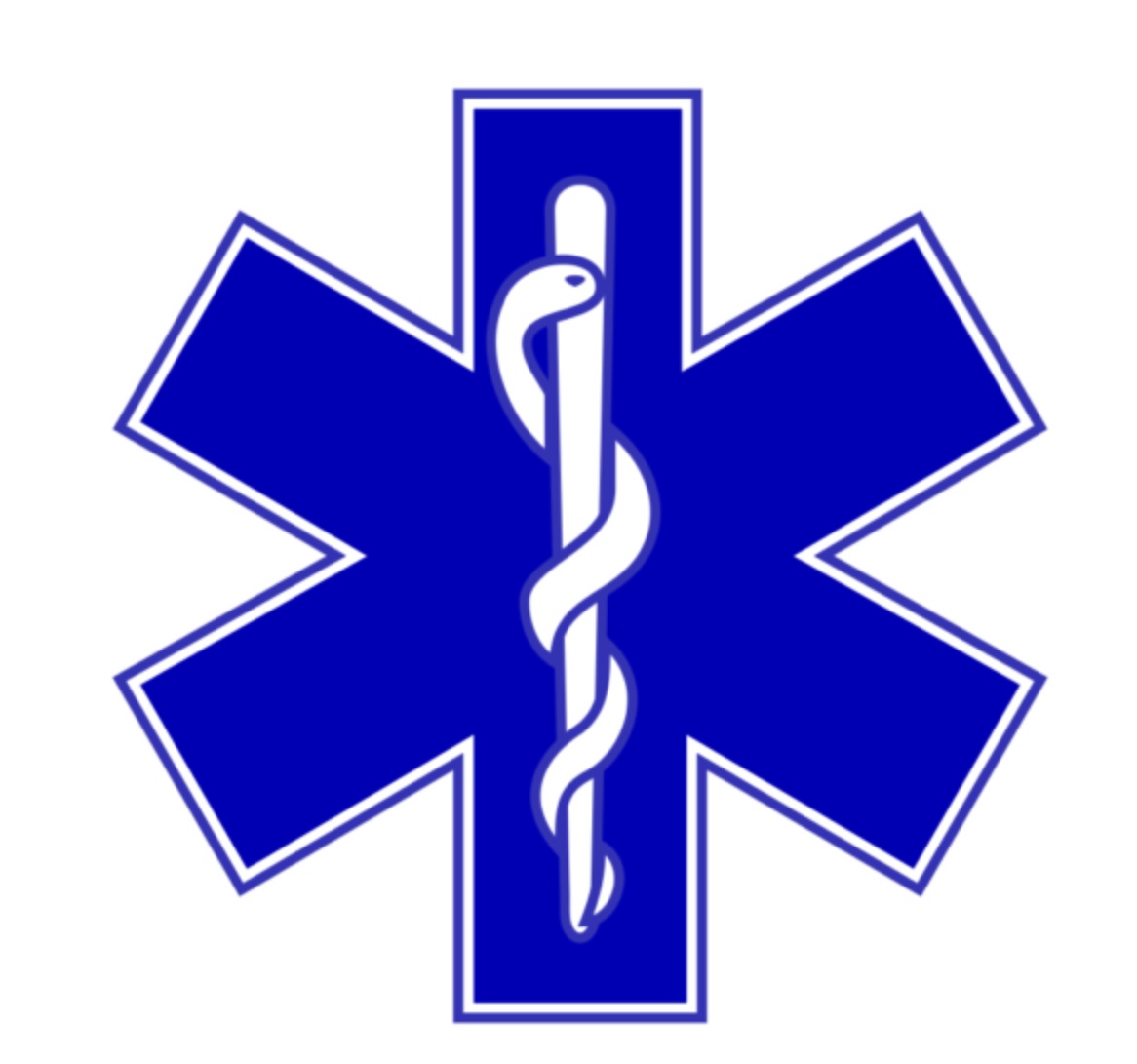
A reader of my blog posts asked if a serpent wrapped around a staff in a doctor’s office is related to the ancient healing practice used by Moses for everyone bitten by serpents.
“Then the LORD sent fiery serpents among the people, and they bit the people, so that many people of Israel died. And the people came to Moses and said, “We have sinned, for we have spoken against the LORD and against you. Pray to the LORD, that he take away the serpents from us.” So Moses prayed for the people. And the LORD said to Moses, “Make a fiery serpent and set it on a pole, and everyone who is bitten, when he sees it, shall live.” So Moses made a bronze serpent and set it on a pole. And if a serpent bit anyone, he would look at the bronze serpent and live.” (Numbers 21:6-9, ESV)
Interestingly, Jesus referred to this same event as a metaphor for spiritual healing as well.
“And as Moses lifted up the serpent in the wilderness, so must the Son of Man be lifted up, that whoever believes in him may have eternal life.” (John 3:14-15, ESV)
Are these two biblical accounts related to the serpent wrapped around a staff in your doctor’s office? Probably not.
The Internet Encyclopedia’s identified this symbol as the staff of Aesculapius which has long been a symbol of medicine, and today is the official insignia of the American Medical Association. Aesculapius was the god of medicine in Greek and Roman mythology, and the snake was his symbol. By the fifth century b.c. several temples to Aesculapius were active in Greece 1
A Jewish authority points to two ancient sources for the modern medical symbol.
There are actually two slightly different symbols of snakes coiled around a staff that have come to be associated with the medical profession. Both seem to come from Greek mythology.
There is the single snake coiled around a staff, which is meant to symbolize the staff of the pagan god of healing, known as Asklepios in Greece and Aesculapius in Rome.
And then there is the symbol of a staff with two snakes and wings. This one is referred to as a caduceus and is meant to symbolize the staff of the Greek messenger god Hermes, also known as Mercury. This symbol eventually also became associated with medicine.
So it seems that both symbols are associated with pagan idolatry. 2
For Christians, however, the bronze serpent, has its significance in miraculous healing by Almighty God. Because of Christ’s reference to it, the bronze serpent points to the cross where Jesus died thus providing spiritual healing to all who look upon it, accepting its covering over their sins.
The Jamison-Fausset-Brown Bible Commentary highlighted the stunning parallels between the incident of the serpent draped on a staff and Jesus Christ on the cross:
“The venom of the fiery serpents, shooting through the veins of the rebellious Israelites, was spreading death through the camp… [an] emblem of the perishing condition of men by reason of sin. In both cases the remedy was divinely provided. In both the way of cure strikingly resembled that of the disease. Stung by serpents, by a serpent they are healed… 3
It continues pointing out that as the uplifted serpent was without venom, healing those who look up to it, so too Christ was without any sin, spiritually healing those who look up to Him. Because of Christ’s making the connection, the symbol has become a very important pointer to healing for followers of Jesus.
Therefore, whoever looks to Him as Savior can be reminded of this truth whenever they see the snake emblem in a doctor’s office. Remembering this, could possibly provide calm while he or she is waiting to see that practitioner.
In 2019 as my date with a heart surgeon approached, I asked for a prayer for me just before I went in. A chaplain stopped and in his prayer referred to hospitals as places of healing. This calmed me down almost immediately. Instead of focusing on the pain and difficulties I might experience afterward, I was able think about my new health the surgery would provide. I am grateful for doctors, nurses, surgeons and chaplains who continue the healing envisioned in the serpent on a staff from all these various traditions.
Footnotes:
- Internet Encyclopedia Background for the Growth of Hospitals in the 1700’s
- www.chabad.org/library
- Bible Commentary Jamison-Fausset-Brown, John 3:14-16

 Rich Rockwood, Christian Author